🥣 Making Alphabet Soup: A Hands-On Sensory Story for Little Learners
- Heather
- Mar 18
- 3 min read
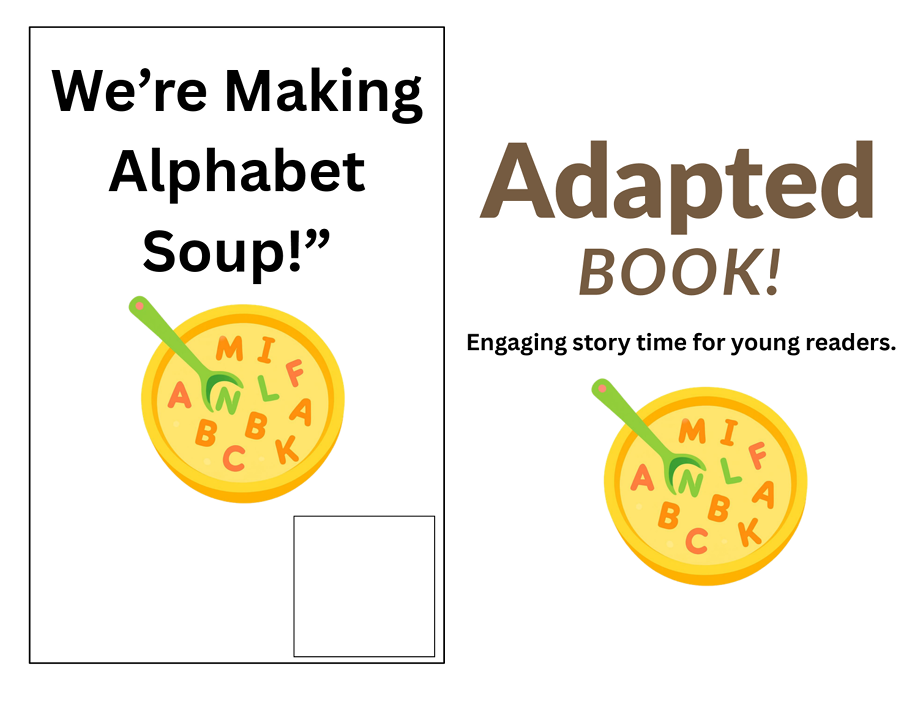
There’s something magical about a simple sensory story—especially one that invites children to tap, pour, sprinkle, stir, and explore language all at once. Our newest adapted book, “We’re Making Alphabet Soup!”, brings early literacy to life through movement, sound, and playful pretend cooking. It’s the perfect blend of sensory engagement and early learning for preschoolers, ECSE classrooms, and young learners who thrive with hands-on experiences.
In this post, I’ll walk you through what’s inside the book and share easy ways to make the experience even more interactive at home or in the classroom.
🧠 Why Sensory Stories Work
Sensory stories help children:
build vocabulary
follow simple directions
strengthen attention
practice sequencing
engage in pretend play
connect language to action
For many of our learners—especially those with autism, developmental delays, or sensory needs—stories become more meaningful when they can feel the actions, not just hear them.
Alphabet Soup is designed with exactly that in mind.
📘 Inside the Adapted Book: “We’re Making Alphabet Soup!”
This 9‑page story uses predictable language and built‑in actions to keep students engaged. Each page invites children to do something:
Tap the pot
Pour the water
Add the letters
Sprinkle more
Stir the soup
Listen for bubbles
Smell the soup
Find a letter
Say “All done!”
The rhythm is simple, the actions are clear, and the visuals support comprehension for all learners.
👐 How to Make the Story Hands-On
You don’t need fancy materials—just a few simple items can turn this book into a full sensory experience.
🥣 1. Use a Real Pot or Bowl
Place a pot or large bowl in the middle of your circle. Let students:
tap it
look inside
pretend to cook
This instantly grounds the story in something concrete.
💧 2. Add “Water” (Real or Pretend)
Options that work beautifully:
a small cup of real water
blue pom‑poms
blue tissue paper
laminated “water” picture
Let students pour it in slowly—this is a great moment for modeling language like pour, in, more, slow, go.
🔤 3. Add Alphabet Letters
You can use:
foam letters
magnetic letters
letter tiles
laminated letter cards
paper cutouts
Students LOVE dropping letters into the pot. It’s also a natural time to practice:
naming letters
matching letters
identifying the first letter of their name
✋ 4. Stir, Stir, Stir
Give each child a turn with:
a wooden spoon
a plastic spoon
a sensory stick
or just their hands!
Stirring is a great motor break and keeps the group engaged.
👃 5. Add a Smell for Sensory Input
This is optional but magical.
Try:
a drop of vanilla
cinnamon
a scent jar
a cotton ball with a mild scent
Let students take a gentle sniff as you read the “Smell the soup” page.
🔍 6. Find a Letter Floating Up
Hold up a letter card and say:
“Look, look! A letter is floating up! What letter do you see?”
Or let students reach into the pot and pull one out themselves.
This is a perfect moment for:
letter ID
sound practice
name recognition
Extend the Learning with Sequencing
After reading, use the included sequencing cards to help students retell the story.
Level 1: Errorless Matching
Students match each picture to the identical image. Perfect for emerging learners.
Level 2: Blank Sequencing Board
Students place the steps in order:
Add water
Add letters
Stir the soup
This builds comprehension and early narrative skills.
❤️ Why Kids Love This Story
It’s simple. It’s sensory. It’s playful. And it gives every child a way to participate—whether they’re tapping, stirring, smelling, or choosing a letter.
Alphabet Soup is one of those stories that becomes a classroom favorite because it feels like play while building real literacy and language skills.
Ge the full download here: Alphabet Soup Story with Vocabulary & Sequencing | TPT


Comments