🌱 How to Use Multisensory Gardening Books in ECSE & Special Education Classrooms
- Heather
- 2 days ago
- 3 min read
A hands‑on literacy routine for students with autism, multiple disabilities, and blindness

Spring is one of my favorite times to bring multisensory learning into the classroom. Gardening is naturally rich in textures, smells, actions, and real‑world connections — which makes it the perfect theme for early childhood special education, autism preschool, and students with multiple disabilities, including blindness or low vision.
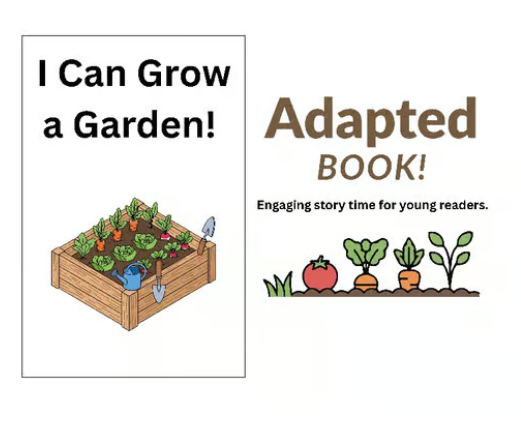
This year, I created a brand‑new adapted book called “I Can Grow a Garden!” along with tactile supports, sequencing pages, vocabulary cards, an original song, and AAC tools. It has quickly become one of my students’ most engaging literacy routines of the year.
Today, I’m sharing exactly how I use this multisensory gardening book in my ECSE classroom, and how you can bring the same magic to yours.
🌼 Why Gardening Works So Well for Multisensory Learning
Gardening is full of natural opportunities for sensory exploration:
Soil to touch
Seeds to shake
Water to sprinkle
Warmth from the “sun”
Leaves to feel
Vegetables to pick
For students with sensory needs, blindness, low vision, or limited symbolic understanding, these concrete experiences make the story real. When students can touch, feel, smell, and hear the story, comprehension and engagement skyrocket.
📘 Inside the Adapted Book: “I Can Grow a Garden!”
This adapted book uses simple, predictable language and step‑by‑step actions:
Dig
Drop seeds
Pat the dirt
Water
Feel the sun
Find the sprout
Touch the leaves
Pick the garden
Each page includes a visual that students can attach as you read. For learners who benefit from tactile access, I created a page‑by‑page tactile guide with suggestions like:
Textured soil
Real seeds
Foam “dirt”
Gel water droplet
Warm sun pad
Raised‑line sprout
Leaf textures
Velcro vegetables
These tactile elements help students with blindness or low vision participate meaningfully in the story.
🖼 Vocabulary Cards for Reading, Play, and AAC
The vocabulary picture cards serve multiple purposes:
Matching during the story
Sensory bin play
Independent work tasks
AAC modeling
Real‑world connections
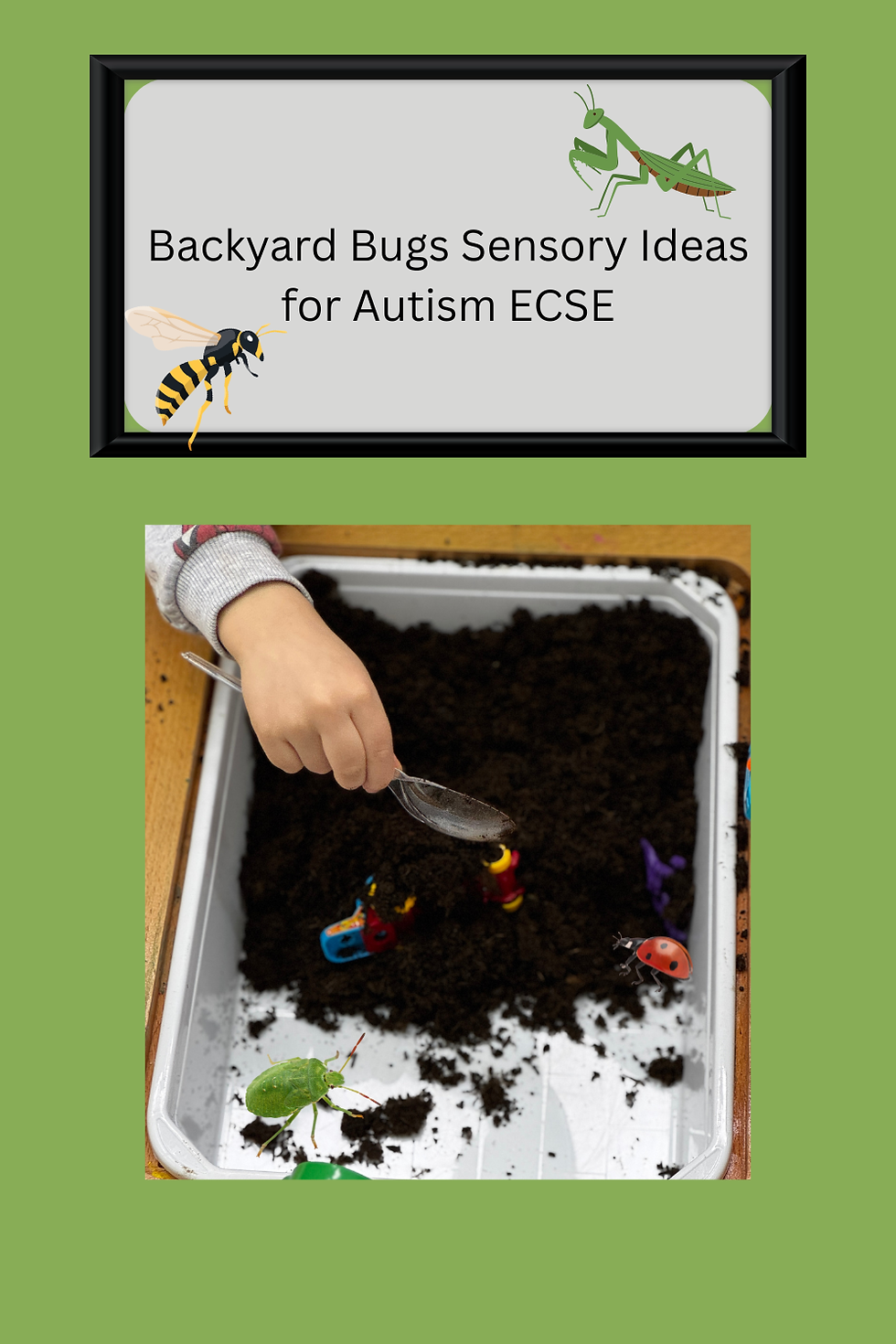
I love using them in a soil or seed sensory bin so students can “find” the vocabulary as they explore.

🔄 Sequencing for All Learners
To support comprehension, I included two sequencing pages:
Errorless sequencing for emerging learners
Standard sequencing for students ready to order steps
Both align directly with the book, making them perfect for small‑group instruction or independent practice.
🎵 The Original Gardening Song
One of my favorite additions to this unit is the original multisensory gardening song. Each verse matches a page of the book and includes:
A simple motor action
A tactile cue
A predictable rhythm
A built‑in AAC response
Songs are powerful for early learners — they support memory, engagement, and participation in ways spoken language alone can’t.
🗣 AAC Call‑and‑Response + Mini Core Board
To make the song accessible for emergent communicators, I created an AAC call‑and‑response version. Adults sing the main line, and students respond with a single word from the 12‑cell mini core board, including:
GO • MORE • HELP • DIG • DROP • PAT • WATER • PICK • SEED • SUN • SPROUT • DONE
This keeps communication simple, predictable, and achievable for all learners — including students using switches, gestures, or tactile markers.
🌻 Why This Works for Students With Multiple Disabilities
This approach supports:
Blind/low‑vision learners
Students with autism
Students with physical or sensory needs
Object‑symbol learners
Emergent communicators
Students who benefit from repetition and routine
Every student can participate — and every student can succeed.
🌸 Want to Try the Full Multisensory Gardening Book?
If you want the adapted book, tactile guide, vocabulary cards, sequencing pages, original song, AAC call‑and‑response, and mini core board, you can find the full resource in my shop.
It’s everything you need for a complete, accessible gardening unit your students will love.

Comments