🌷 April Classroom Library: Spring Books for Preschool, ECSE, and Autism Classrooms
- Heather
- 23 hours ago
- 3 min read
Hands‑on, sensory‑rich stories your students will love this month
April is one of my favorite months to refresh our classroom library. Spring themes open the door to bugs, gardens, weather, Earth Day, and outdoor exploration — all perfect for early childhood special education. This month’s book basket is full of lift‑the‑flap surprises, Eric Carle classics, bug adventures, and plant‑themed stories that pair beautifully with sensory play, adapted books, and AAC routines.
Here’s a peek inside my April Classroom Library and how I use each book with my ECSE learners.

🌱 Pop‑Up Peekaboo! Garden
This interactive lift‑the‑flap book is perfect for little hands. Each page reveals a garden surprise — flowers, bugs, and critters hiding under flaps. The pop‑ups are highly motivating for students who need visual engagement or a clear reason to turn the page.
How I use it:
Model WHERE?, LOOK, and OPEN on AAC
Pair each flap with a tactile item (leaf, flower, bug)
Use it as a warm‑up before gardening sensory bins

🌎 I Love Earth (with The Very Hungry Caterpillar)
This sweet Earth Day book uses Eric Carle’s signature collage style to introduce caring for the planet. It’s simple, visual, and perfect for April 22nd.
How I use it:
Earth Day sensory bin with blue/green rice
Real‑photo land vs. water sorting
AAC targets: EARTH, CARE, HELP, LOVE
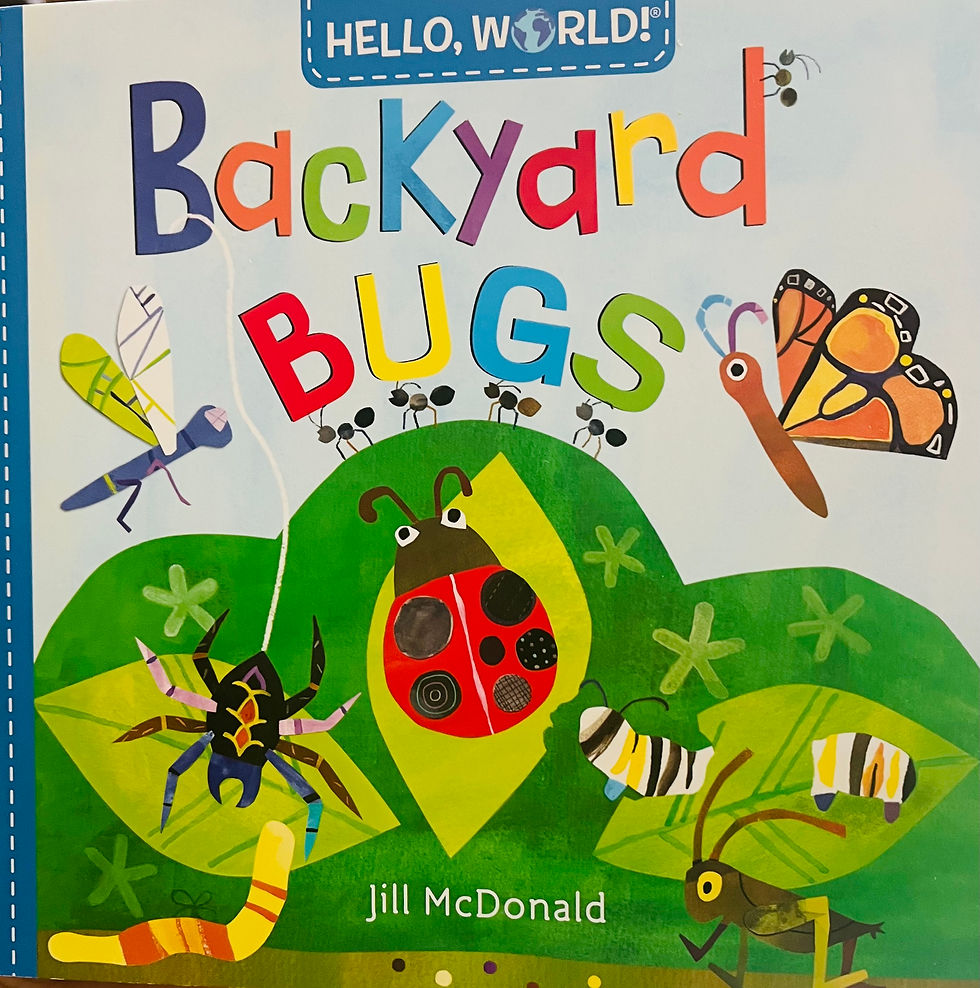
🐞 Hello, World! Backyard Bugs
Bright, bold, and full of real‑world vocabulary, this book introduces common backyard insects in a toddler‑friendly way. The clear visuals make it great for CVI learners.
How I use it:
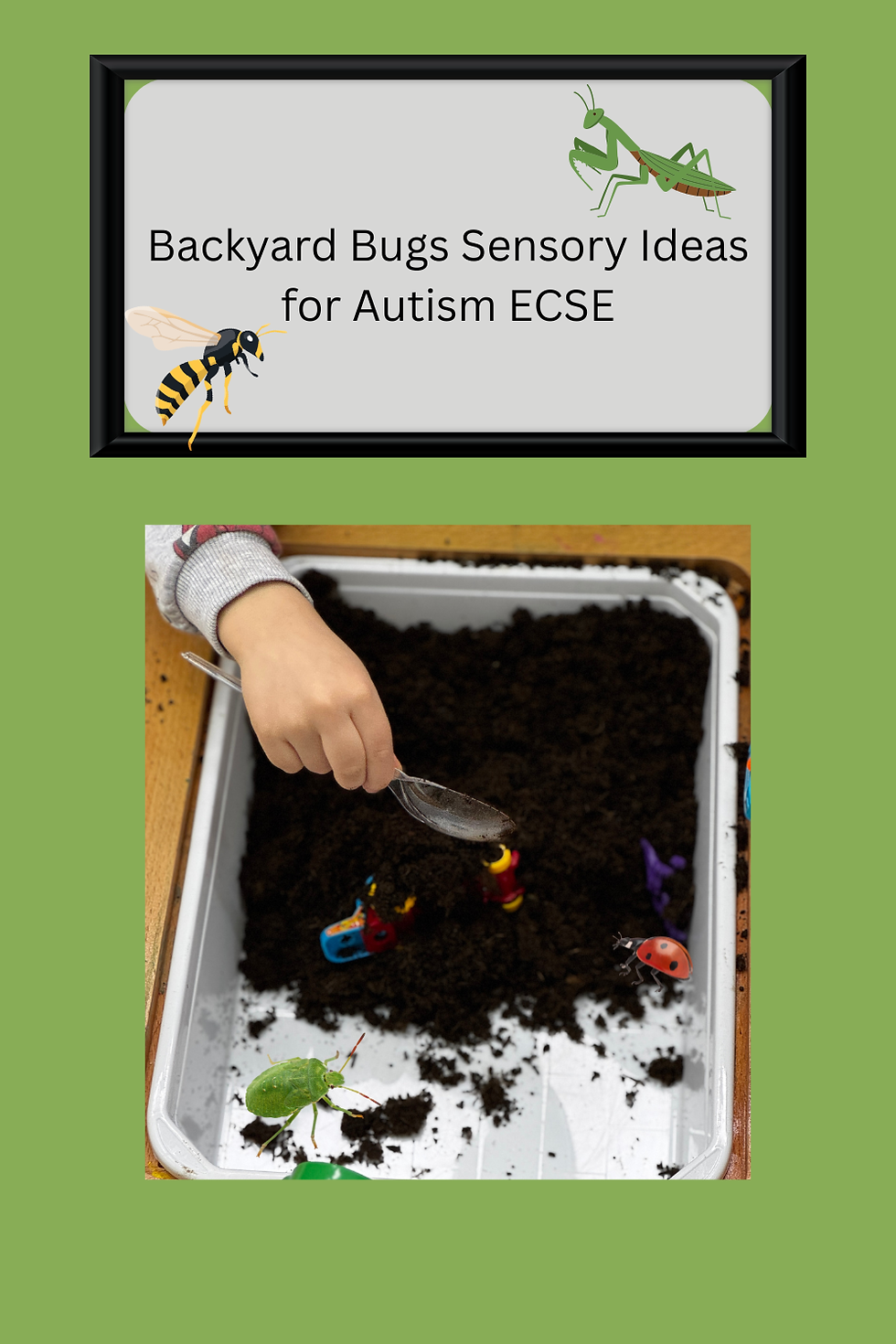
Bug sensory bin with shredded paper “grass”
Matching real photos to clip‑art bugs
AAC targets: BUG, SEE, FIND, GO

🌼 Plant the Tiny Seed
This rhythmic, interactive story invites children to tap, clap, wiggle, and wait as a tiny seed grows. The predictable pattern is perfect for early learners.
How I use it:
Movement‑based read‑aloud (tap, clap, wiggle)
Seed‑to‑flower sequencing
Sensory extension: planting real seeds in cups

🌻 The Tiny Seed (Eric Carle)
A spring classic. This book follows a seed’s journey through the seasons. The visuals are beautiful, and the storyline is rich with science vocabulary.
How I use it:
Life cycle visuals
Real seed exploration
AAC targets: GROW, BIG, SUN, WIND

🌈 Planting a Rainbow
This colorful book is perfect for teaching colors, flowers, and garden vocabulary. The bold illustrations make it a great choice for visual learners.
How I use it:
Flower color sorting
Rainbow garden sensory tray
AAC targets: RED, YELLOW, PURPLE, FLOWER
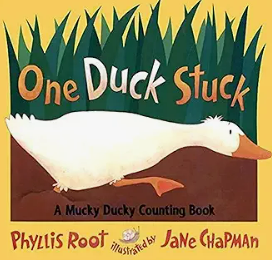
🦆 One Duck Stuck
A rhythmic, repetitive story about a duck who gets stuck in the muck — and all the animals who come to help. The predictable pattern is perfect for language modeling.
How I use it:
Mud sensory bin (oobleck or kinetic sand)
Counting animals as they “help”
AAC targets: HELP, STUCK, GO, ONE

🐛 The Very Hungry Caterpillar
A must‑have for April. This book supports sequencing, counting, days of the week, and life cycle concepts — all in one.
How I use it:
Caterpillar sensory bin
Food sequencing cards
AAC targets: EAT, MORE, HUNGRY, BUTTERFLY

🐸 Jump, Frog, Jump!
This call‑and‑response book is a classroom favorite. Students love shouting “Jump, Frog, Jump!” and the repetitive structure supports participation for all learners.
How I use it:
Frog pond sensory bin
AAC call‑and‑response: JUMP, GO, HELP
Acting out the story with toy animals
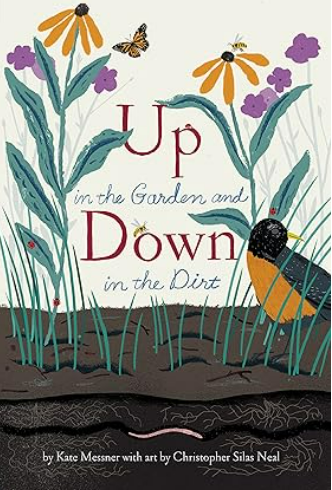
🌿 Up in the Garden and Down in the Dirt
This beautifully illustrated book explores everything happening above the soil (plants, flowers, sunlight, watering) and everything happening below the soil (worms, beetles, roots, and underground helpers). It’s rich, sensory, and full of real‑world connections — making it a perfect addition to your April classroom library.
How I use it:
Soil sensory bin with “above” and “below” items
Sorting bugs or objects into UP vs. DOWN categories
Real‑photo matching for CVI learners
Garden dramatic play with toy worms, roots, and leaves
AAC targets: UP, DOWN, DIG, BUG, GROW,
🌷 Why These Books Work So Well in April
These titles support:
Spring vocabulary
Life cycle concepts
Sensory exploration
Repetition and predictability
AAC modeling
Fine motor engagement
Real‑world connections
They also pair beautifully with gardening units, bug hunts, Earth Day activities, and outdoor learning.
Comments