Hands-On Sensory Math Activities for ECSE Inspired by Counting Animals on the Farm
- Heather
- Mar 1
- 3 min read
Early childhood special education (ECSE) benefits greatly from activities that engage multiple senses and encourage active learning. Using a beloved picture book like Counting Animals on the Farm as a springboard, educators can create math experiences that are both fun and meaningful. These activities help young learners develop number sense, counting skills, and sensory awareness through hands-on exploration. This post shares practical ideas to bring math to life in your ECSE classroom or home setting.

Using the Book as a Launchpad
Counting Animals on the Farm introduces children to numbers through familiar animals like cows, pigs, and chickens. The clear, repetitive text supports early counting skills and vocabulary development. To deepen understanding, pair the story with activities that invite children to touch, move, and count real or pretend animals.
Start by reading the book aloud, encouraging children to count along. Then, transition into hands-on tasks that mirror the story’s content. This approach connects literacy and math, making abstract concepts concrete.
Sensory Bins with Farm Animals
Sensory bins are a staple in ECSE classrooms because they engage touch, sight, and sometimes smell or sound. Create a farm-themed sensory bin using:
Toy farm animals (plastic or wooden)
Natural materials like dried corn kernels, hay, or shredded paper
Small containers or cups for sorting and counting
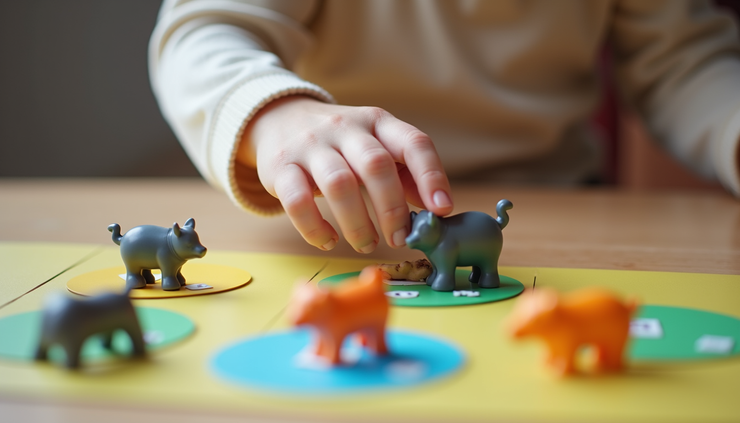
Invite children to find a specific number of animals, sort them by type, or line them up to match numbers from the book. For example, “Can you find three pigs and put them in this red cup?” This activity builds fine motor skills and reinforces number recognition.
Counting with Textured Number Cards
Make number cards that incorporate different textures to add a tactile element to counting. Use materials such as:
Sandpaper for rough numbers
Felt for soft numbers
Foam for squishy numbers
Children can trace the numbers with their fingers while counting out loud. Pair each card with the corresponding number of farm animal figures. This multisensory approach supports learners who benefit from touch and movement.
Animal Movement Counting Games
Incorporate gross motor skills with counting games inspired by farm animals. For example:
Hop like a bunny five times
Stomp like a cow three times
Flap your arms like a chicken four times
Count each movement aloud together. This activity helps children connect numbers to physical actions, reinforcing memory and engagement.
Creating a Farm Counting Path
Use tape or chalk to create a number path on the floor with numbers 1 through 10. Place farm animal pictures or toys on each number. Children can jump or step to each number, counting as they go. This activity combines movement, counting, and number recognition in an enjoyable way.
Matching Animal Sounds to Numbers
Play recordings of farm animal sounds and ask children to match the sounds to the correct number of animals. For example, play a “moo” sound and have children place the right number of cow figures on a mat. This activity connects auditory cues with counting and animal recognition.
Tips for Success
Keep activities short and varied to maintain attention.
Use clear, simple language and repeat key phrases.
Encourage children to verbalize their counting to build language skills.
Adapt materials to meet individual sensory needs, such as using softer textures or quieter sounds.
Celebrate every effort to build confidence and motivation.

Comments