🌈 Building Confidence & Connection in an Inclusive Preschool: Easy ECSE Strategies That Help Every Child Thrive
- Heather
- Feb 2
- 3 min read
Creating an inclusive preschool classroom isn’t about having the perfect setup or the fanciest materials. It’s about building a community where every child feels safe, valued, and capable. In Early Childhood Special Education (ECSE), the magic happens when we blend developmentally appropriate practice with intentional supports that help all learners participate meaningfully.
This post shares simple, high‑impact strategies you can start using right away — visual schedules, peer modeling, sensory‑friendly routines, and more — to help every child build confidence and connection in your inclusive preschool.

🌟 Why Inclusion Matters in Preschool
Inclusion isn’t a place; it’s a mindset. When children learn in classrooms where differences are celebrated, they develop empathy, flexibility, and a strong sense of belonging. For children with disabilities, inclusive settings offer rich language models, social opportunities, and access to the same joyful learning experiences as their peers.
For teachers, inclusion means designing environments where every child can succeed — not by lowering expectations, but by expanding access.
🗂️ Strategy #1: Use Visual Schedules to Build Independence
Visual schedules are one of the most powerful tools in an ECSE classroom. They help children understand what’s happening next, reduce anxiety, and support transitions.
How to use them effectively:
Keep visuals clear, simple, and consistent
Pair pictures with short, predictable language
Review the schedule at the start of the day and before transitions
Offer individual schedules for children who need extra support
Use “finished” boxes or Velcro strips to build independence
Visual schedules don’t just help autistic learners — they support all preschoolers by making routines concrete and predictable.
🤝 Strategy #2: Encourage Peer Modeling
Peer modeling is a natural, powerful way for young children to learn new skills. When children see their classmates communicating, sharing, cleaning up, or participating in circle time, they’re more likely to try it themselves.
Ways to build peer modeling into your day:
Pair children intentionally during centers or small groups
Highlight positive behaviors (“I love how Maya is using gentle hands with the blocks”)
Use buddy systems for transitions or classroom jobs
Teach peers how to invite others into play
Celebrate teamwork and shared successes
Peer modeling strengthens social skills, builds friendships, and helps every child feel like an important part of the classroom community.
🧘 Strategy #3: Create Sensory‑Friendly Routines
Sensory needs are real, valid, and incredibly common in early childhood. Sensory‑friendly routines help children regulate their bodies so they can participate more fully in learning.
Try incorporating:
Calm lighting or natural light
Soft seating options or wiggle cushions
Predictable movement breaks
A quiet corner with fidgets, headphones, or weighted items
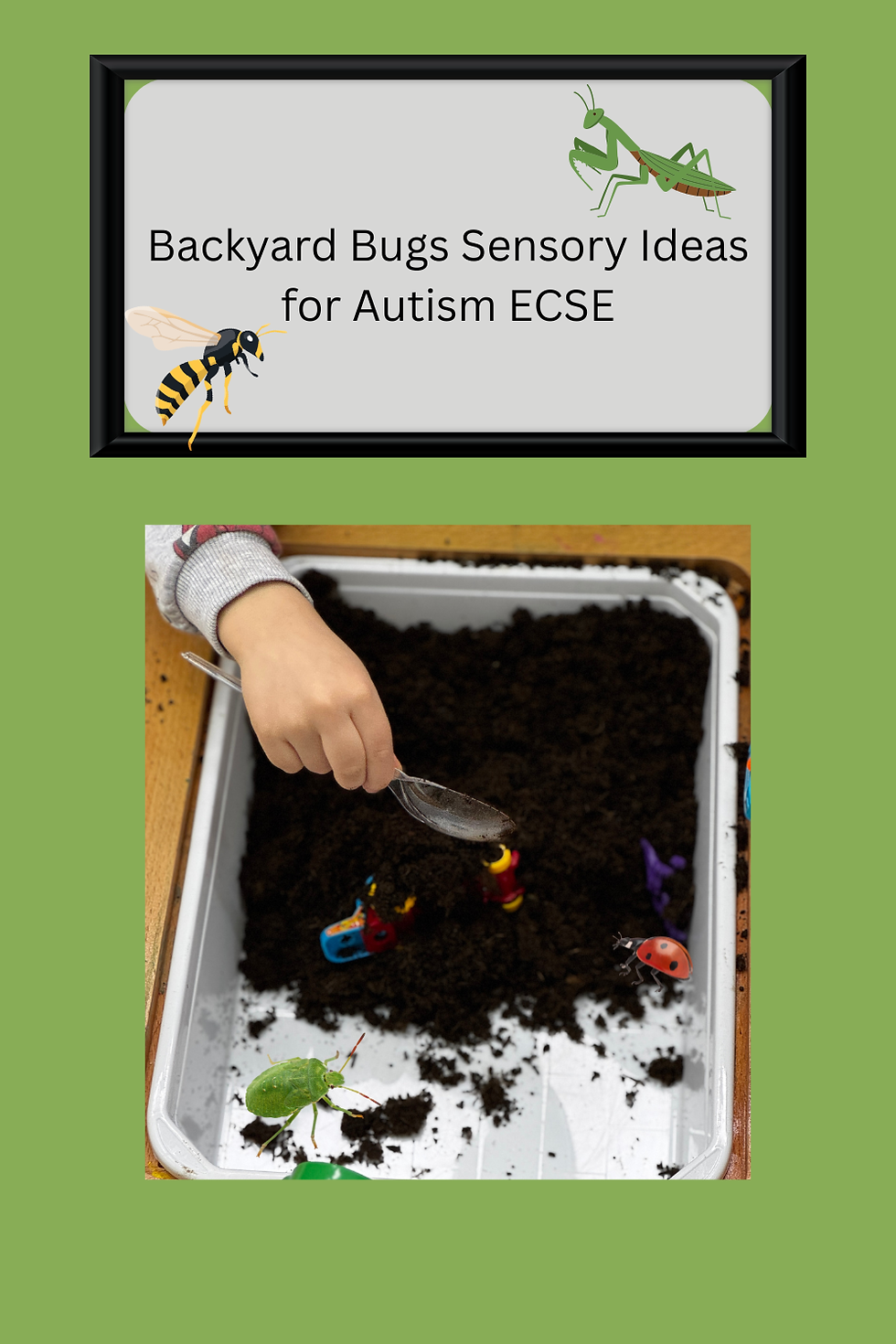
Sensory bins that support exploration and regulation
When children feel regulated, they’re more available for connection, communication, and learning.
🎨 Strategy #4: Offer Multiple Ways to Participate
Inclusive classrooms honor different learning styles and communication methods. Instead of expecting every child to participate the same way, offer choices.
Examples:
During circle time: children can sit on a cushion, chair, or floor
During art: offer crayons, paint sticks, stamps, or collage materials
During literacy: allow pointing, AAC, gestures, or verbal responses
During play: provide parallel play options for children who need warm‑up time
Choice builds autonomy and reduces pressure — especially for children with communication or sensory differences.
💬 Strategy #5: Use Strengths‑Based Language
Children rise when we speak to their strengths. In ECSE, this means noticing what a child can do and using that as the foundation for growth.
Try phrases like:
“You worked so hard on that”
“I noticed you tried a new way today”
“You’re a great helper to your friends”
“You figured it out”
Strengths‑based language builds confidence and helps children see themselves as capable learners.
🌼 Final Thoughts: Inclusion Is a Daily Practice
Inclusion isn’t a checklist — it’s a commitment to seeing every child as worthy, capable, and full of potential. When we use simple ECSE strategies like visual supports, peer modeling, sensory‑friendly routines, and strengths‑based communication, we create classrooms where all children can thrive.
And the best part? These strategies don’t just support children with disabilities — they make learning better for everyone.
Comments