Surviving Holiday Stress: Tips for Special Education Teachers
- Heather
- Dec 11, 2025
- 3 min read

The holiday season brings joy and celebration, but for special education teachers, it can also bring added stress. Managing diverse student needs, planning engaging activities, and balancing personal responsibilities often intensify during this time. Stress can affect your well-being and your ability to support your students effectively. This post offers practical strategies to help special education teachers navigate holiday stress while maintaining a positive classroom environment.
Recognize the Unique Challenges of the Holidays
The holiday season often disrupts routines, which can be especially challenging for students with special needs. Changes in schedules, increased sensory stimuli, and heightened emotions can lead to anxiety or behavioral challenges. As a teacher, you may feel pressure to create festive experiences while managing these complexities.
Understanding these challenges helps you set realistic expectations for yourself and your students. Accepting that some days will be harder than others reduce frustration and helps you focus on what you can control.
Plan Sensory-Friendly Activities
Many students with special needs are sensitive to sensory overload, which can increase during holiday celebrations. Planning activities that consider sensory preferences can reduce stress for both students and teachers.
Use calm, predictable crafts such as coloring or simple ornament making.
Consider process over product activities! This reduces stress and helps to increase engagement in students.
Ideas: fingerpaint, create a giant gingerbread house as a group project, made puffy paint and use it to add snow to crafts.

Create a cozy drama center. You can put cookies under the tree, add candy to your gingerbread house, or bake cookies in the play oven.
Incorporate sensory breaks with quiet corners or calming tools like weighted blankets or noise-canceling headphones.

Avoid loud music or flashing lights that might overwhelm some students.
Turn off the overhead lights and create a calm environment with lamps.
By creating a sensory-friendly environment, you support students’ comfort and engagement, which can make holiday activities more enjoyable and less stressful.
Set Boundaries and Prioritize Self-Care
Holiday stress often comes from trying to do too much. Setting clear boundaries helps you protect your energy and mental health.
Limit extra work outside school hours.
Delegate tasks when possible, such as asking teaching assistants or volunteers to help with holiday preparations.
Schedule regular breaks during the day to recharge.
Avoid overscheduling your time.
Ensure you are taking time to do things you love. For me, I love to read so I make sure I have time to read the books I love.
Self-care is essential. Simple practices like deep breathing, short walks, or mindfulness exercises can reduce stress. Remember, taking care of yourself enables you to be more present and effective for your students.
Communicate Clearly with Families and Staff
Clear communication reduces misunderstandings and helps manage expectations during the busy holiday season.
Share your holiday plans and classroom routines with families in advance.
Provide tips for supporting students at home during breaks.
Collaborate with colleagues to share resources and strategies.
Open communication builds a support network, making it easier to handle challenges and celebrate successes together.
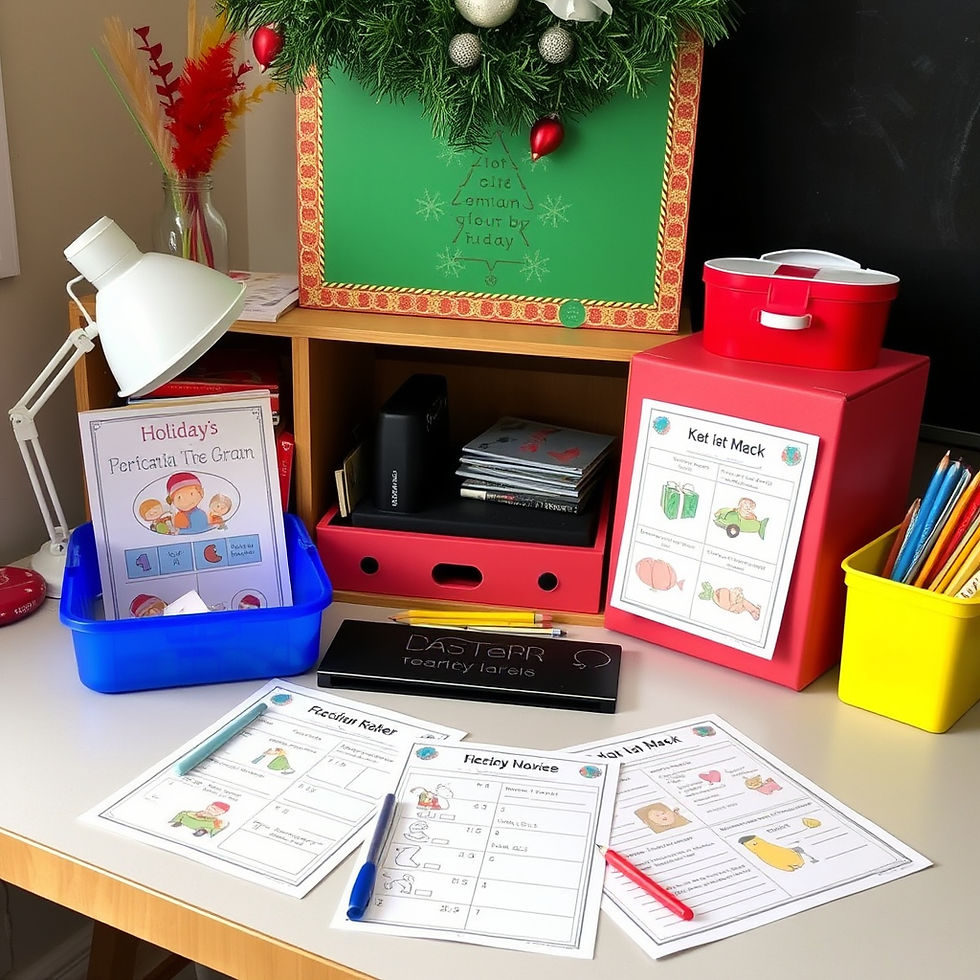
Use Visual Schedules and Predictable Routines
Visual schedules help students understand what to expect, reducing anxiety caused by changes in routine.
Create holiday-themed visual schedules showing daily activities.
Use pictures or icons to represent each task.
Review the schedule with students at the start of each day.
Maintaining predictable routines, even during celebrations, provides stability. This approach helps students feel secure and reduces behavioral issues, easing your workload.

Focus on Meaningful Connections
The holidays are a time to build relationships. Focus on creating positive moments with your students rather than perfect celebrations.
Celebrate small achievements and progress.
Encourage peer support and teamwork.
Share stories or traditions that resonate with your students’ experiences.
Meaningful connections foster a supportive classroom atmosphere and remind you why your work matters, helping to counterbalance stress.
Prepare for Post-Holiday Transitions
Returning from holiday breaks can be difficult for students and teachers alike. Preparing for this transition reduces stress and supports a smooth return to learning.
Discuss upcoming schedules before the break.
Plan engaging activities for the first days back.
Allow time for students to adjust and express their feelings.
Being proactive about transitions helps maintain classroom stability and supports emotional well-being.


Comments