Reflecting on My Evolving Early Childhood Special Education Classroom Setup in 2023
- Heather
- Dec 30, 2025
- 3 min read

Every year, the classroom setup in early childhood special education changes to meet the unique needs of the students. There is no one perfect arrangement, and what works one year might not be effective the next. Looking back at my 2023 classroom setup, I want to share how the space evolved, what influenced those changes, and how the environment supported my students’ learning and growth.
Understanding the Needs of Students
The foundation of any classroom setup is the students’ needs. In special education, these needs vary widely, from sensory sensitivities to communication challenges and motor skills development. In 2023, my students had a range of abilities and preferences, which meant the classroom had to be flexible and supportive.
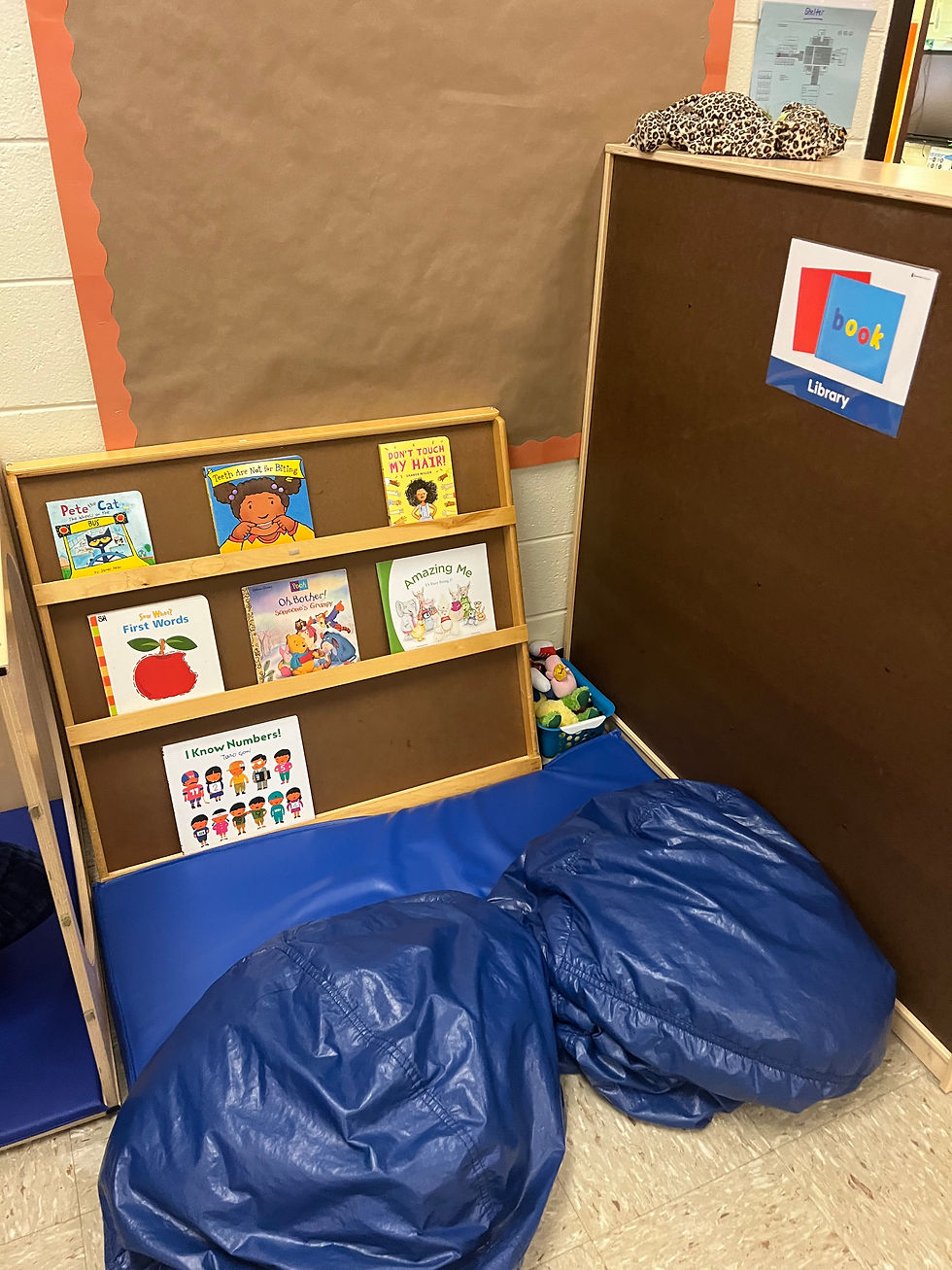
For example, some students benefited from quiet, low-stimulation areas where they could retreat when overwhelmed. Others needed open spaces for movement and sensory activities. I arranged the room to include:
A cozy corner with soft seating and calming visuals
A sensory table with tactile materials like sand and water beads
Clear pathways to reduce distractions and allow easy movement
This variety helped each child find a comfortable spot that matched their needs throughout the day.
Creating Zones for Different Activities
Dividing the classroom into distinct zones helped organize learning and play. In 2023, I set up areas for:
Circle time: A carpeted space with visual schedules and seating for group activities
Fine motor skills: Tables with puzzles, beads, and writing tools
Gross motor skills: A small indoor climbing structure and mats for movement exercises
Creative play: Art supplies and dress-up clothes in accessible bins
Each zone had clear boundaries and materials suited to its purpose. This setup helped students transition smoothly between activities and reduced confusion.

Our circle time routine became a predictable, sensory‑friendly anchor for the day. Visual schedules, simple songs with motions, core boards, and hands‑on props helped all learners participate. Flexible seating — wobble cushions, carpet squares, and cube chairs — supported attention and comfort.
Amazon Affiliate links to the essentials for my circle time spot:
This exact rug is no longer available on Amazon. However, there are many other options. You can check a few out here:
Fidgets that are easy to access!
Weather Sloth (HANDS ON WEATHER)
Classroom Calendar

The drama center transformed into a space for communication, social‑emotional learning, and imaginative storytelling. Adaptive materials like labeled bins, real‑life photo cards, dress‑up pieces with easy fasteners, and pretend play scripts made the center accessible for children with diverse needs, including autism and language delays.
A few great toys for the drama center:
Doll Set: https://amzn.to/45iKfM4
Play Kitchen: https://amzn.to/4qa9KaP
Play Food Set: https://amzn.to/4jm3N83

Our block center encouraged problem‑solving, collaboration, and fine‑motor development. We used a mix of wooden blocks, foam blocks, people figures representing diverse abilities, and visual building prompts. Clear shelves and picture labels supported independence and cleanup success.
Blocks Center Essentials:
Magna-tiles: https://amzn.to/49blL8E
Magnetic blocks: https://amzn.to/495XIry
Foam Blocks: https://amzn.to/3Yf95Zx
Using Visual Supports and Labels
Visual supports are essential in special education classrooms. In 2023, I incorporated many visual cues to help students understand routines and expectations. These included:
Picture schedules displayed at eye level
Labels with both words and images on shelves and bins
Color-coded areas to signal different activities
These supports promoted independence and reduced anxiety by making the environment predictable and easy to navigate.
Flexibility and Adaptability
One key lesson from 2023 was the importance of flexibility. As the year progressed, I adjusted the setup based on what worked and what didn’t. For example, I noticed that some students preferred standing or moving during lessons, so I added adjustable-height tables and balance stools.
I also rotated sensory materials regularly to keep engagement high. This adaptability ensured the classroom remained a dynamic space that responded to students’ changing needs.
Practical Tips for Setting Up Your Classroom
If you are setting up or revising a special education classroom, consider these practical tips inspired by my 2023 experience:
Start with student needs: Observe and listen to your students to understand their preferences and challenges.
Create clear zones: Organize the room into areas for different types of learning and play.
Use visual supports: Incorporate pictures, labels, and schedules to guide students.
Allow movement: Include options for standing, sitting, and moving to accommodate different learning styles.
Be ready to change: Regularly assess the setup and make adjustments as needed.
Reflecting on Growth and Learning
Looking back at the 2023 classroom setup reminds me how much the environment influences learning. A well-organized, thoughtful space can reduce stress, encourage independence, and support development. Each year brings new challenges and opportunities to improve.
The evolving nature of the classroom setup reflects the evolving needs of the students. There is no perfect formula, but by focusing on flexibility, clarity, and student-centered design, educators can create spaces where every child feels supported and ready to learn.


Comments